Chlorine in UK Tap Water: What You Need to Know
Why Is Chlorine Added to UK Tap Water?
In the UK, chlorine levels in drinking water are regulated and monitored to ensure they remain within legal limits set by the Drinking Water Inspectorate.
If you’ve ever noticed a faint chemical smell or taste in your tap water, you’ve likely detected chlorine. While UK tap water meets safety standards, many households are choosing to take water quality into their own hands. This guide explains everything you need to know about chlorine in your drinking water and what you can do about it.
Why Does My Tap Water Taste or Smell Like Chlorine?
Chlorine has been used to disinfect drinking water in the UK for over a century. Water companies add it at treatment works to kill harmful bacteria, viruses, and other microorganisms, then maintain a chlorine residual throughout the distribution system as water travels through miles of aging pipes to reach your tap.
Whilst this disinfection process serves an important purpose, it means you’re essentially drinking a diluted chemical solution every time you turn on the tap. The question many homeowners are now asking is: does water really need to contain chlorine by the time it reaches your glass?
Is Chlorine in UK Drinking Water Safe?
Local water companies publish regular water quality reports confirming that treated tap water meets UK safety standards before it reaches your home.
That distinctive swimming pool smell and taste in your tap water isn’t imaginary—it’s chemical disinfectant, and it’s in every glass you drink.
The chlorine levels in your water can vary significantly depending on several factors. Homes closer to treatment works often experience higher concentrations. During summer months, water companies frequently increase chlorine levels to combat bacterial growth in warmer conditions. If your home has older pipes or water has been sitting in your system overnight, the taste can become even more pronounced.
Many people find the taste of chlorinated water unpleasant enough that they avoid drinking tap water altogether, turning instead to expensive bottled water. Others simply tolerate it, assuming there’s no alternative. But the taste isn’t just a minor inconvenience—it’s a daily reminder that you’re consuming treated chemicals rather than pure, fresh-tasting water.
Some people report that chlorinated water affects the taste of their tea, coffee, and cooking. If you’ve ever wondered why your home-brewed coffee doesn’t taste as good as it should, chlorine could be the culprit.
What Else Is Found in UK Tap Water?
Chlorine isn’t the only concern when it comes to tap water quality. UK water can contain a range of substances that, while regulated, many people would prefer to avoid:
Disinfection byproducts (DBPs) form when chlorine reacts with organic matter in water. These compounds, including trihalomethanes, are monitored but still present in trace amounts. The long-term effects of consuming these chemicals daily remain a topic of research and debate.
Heavy metals such as lead can leach from old pipes, particularly in older properties. Even though lead pipes are being phased out, many Victorian and Edwardian homes still have them in their systems.
Limescale and hard water minerals are prevalent in many UK regions, particularly in the South East. While not harmful to health, these minerals affect taste, leave residue on kettles and appliances, and can make water less pleasant to drink.
Microplastics are an emerging concern, with research showing that tap water in many countries, including the UK, contains microscopic plastic particles from pipe degradation and environmental contamination.
Pesticides and agricultural runoff can make their way into water sources, particularly in agricultural areas. While levels are regulated, the cocktail effect of multiple trace chemicals isn’t fully understood.
Some customers also ask about fluoride in UK tap water and whether it should be removed.
Fluoride is added intentionally and carbon filters do not reliably remove it.
For most homes, we do not recommend fluoride removal, and we explain our reasoning here.
The Drinking Water Inspectorate sets legal limits for these contaminants, but “legal” doesn’t necessarily mean “optimal.” These are maximum allowable levels, not zero levels. Meeting minimum safety standards isn’t the same as providing the best quality water for your family.
Common Concerns About Chlorine in Drinking Water
The chlorine byproduct question deserves more attention than it typically receives. When chlorine interacts with organic matter, it creates compounds that weren’t present in the original water source. You’re drinking the result of a chemical reaction that happens in the pipes, not pure water.
Old infrastructure is a hidden problem. Much of the UK’s water pipe network dates back to the Victorian era. Water may leave the treatment plant in good condition, but what happens during its journey through miles of aging infrastructure? Pipes can harbour biofilm, corrode, and leach materials into your water.
Chlorine doesn’t discriminate. While it kills harmful bacteria, chlorine is a powerful oxidizing agent that affects everything it touches. Some research suggests that the chlorine levels we’re exposed to through drinking, cooking, and bathing may have cumulative effects over a lifetime.
Sensitive individuals notice the difference. People with skin conditions like eczema often report improvement when they reduce chlorine exposure. Children, elderly family members, and those with compromised immune systems may be more sensitive to chemical content in water.
Taste matters more than people think. If your water doesn’t taste good, you’re less likely to stay properly hydrated. Many people, especially children, drink less water than they should simply because they don’t enjoy the taste of tap water.
Traditional Ways People Try to Reduce Chlorine (and Their Limits)
Many people resort to various makeshift solutions to deal with chlorinated tap water, but these methods have significant drawbacks:
Letting water stand in an open jug for 30-60 minutes allows chlorine to evaporate gradually. The problem? You need to plan ahead every time you want a glass of water. If you forget to fill the jug, you’re stuck waiting or drinking chlorinated water anyway. It’s inconvenient, time-consuming, and impractical for busy households.
Refrigerating water for several hours can reduce the chlorine taste somewhat. However, this requires constant jug refilling, takes up valuable fridge space, and still doesn’t eliminate chlorine completely—it just masks the taste slightly by serving the water cold. You’re also limited by the capacity of your jug, which means frequent trips to refill it.
Boiling water causes chlorine to evaporate faster, but this is an energy-intensive solution that’s completely impractical for drinking water. You’d need to boil water, wait for it to cool, then refrigerate it—a process that takes hours for a single serving.
Filter jugs are a step up, but they come with their own frustrations. They’re slow (sometimes taking several minutes to filter a single jug), require frequent filter changes, take up counter or fridge space, and you’re constantly monitoring the water level and refilling. Plus, capacity is limited—typically just 1-2 litres at a time. For a family, this means multiple refills throughout the day.
These traditional methods all share the same fundamental problems: they’re time-consuming, inconvenient, require constant attention, and only provide small quantities of filtered water at a time. In today’s fast-paced world, who has time to plan their water consumption hours in advance?
If you’re fed up with chlorine taste and slow filter jugs, an under-sink water filter gives you instant, unlimited filtered water every time you turn on the tap.
We supply and install under-sink water filtration systems across Worcestershire — or you can buy the unit only if you prefer.
How to Remove Chlorine From Tap Water at Home
There’s a better way—one that doesn’t require planning, waiting, or constantly refilling jugs. A proper under-sink water filtration system transforms your tap water instantly, providing unlimited filtered water on demand, any time of day or night.
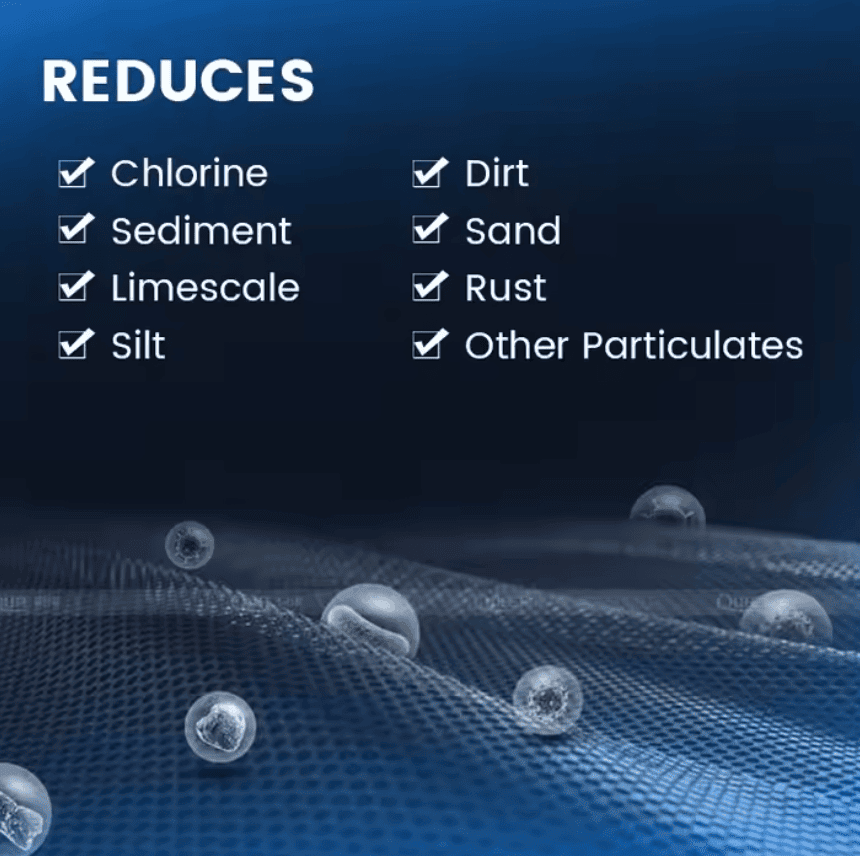
The Aquaseidon AQ55515R Under Sink Water Filter eliminates the inconvenience of traditional methods whilst delivering superior filtration. This system uses advanced coconut carbon filtration technology to effectively remove chlorine, reduce heavy metals, filter out sediment, and eliminate the taste and odour issues that plague UK tap water.
Here’s why this changes everything:
Instant access – Turn on your tap and get filtered water immediately. No waiting 30 minutes for chlorine to evaporate, no planning hours ahead, no checking if you remembered to refill the jug. Just pure, clean water whenever you need it.
Unlimited capacity – Unlike jugs that need constant refilling, an under-sink system provides as much filtered water as you need. Fill large cooking pots, water bottles for the whole family, or multiple cups of tea throughout the day without any limitations.
Always ready – Whether it’s 6am before work, midnight when you’re thirsty, or any time in between, filtered water is available instantly. No more discovering an empty jug when you need water most.
No counter clutter – The filtration system sits discretely under your sink, freeing up valuable counter and fridge space. No more juggling jugs in an already-crowded refrigerator.
Superior filtration – The coconut carbon technology doesn’t just reduce chlorine—it provides comprehensive filtration that removes sediment, reduces heavy metals like lead, and eliminates various impurities that basic evaporation or refrigeration can’t touch.
Consistent quality – Every glass of water is filtered to the same high standard, unlike traditional methods where effectiveness varies depending on how long water has been standing or how cold it is.
Cost-effective – While bottled water costs pile up weekly and filter jugs require regular cartridge replacements, the AquaSeidon system provides exceptional value with long-lasting filters that handle large volumes before needing replacement.
Family-friendly – Everyone in the household can access clean water easily—even children can fill their own water bottles without adult supervision or complicated procedures.
The difference in your daily routine is remarkable. Instead of thinking “I should fill the jug so we have water later,” you simply turn on the tap. Instead of rationing filtered water because the jug is running low, you use as much as you need. Instead of drinking chlorinated water because you forgot to prepare ahead, you always have filtered water available.
Why an Under-Sink Water Filter Is the Most Practical Solution
The AquaSeidon AQ55515R is designed for straightforward under-sink installation. The system connects to your cold water supply and includes everything needed for fitting. If you’re comfortable with basic DIY, installation is manageable, or any plumber can fit it quickly and professionally.
Once installed, maintenance is minimal. The coconut carbon filters are long-lasting and easy to replace when needed—a simple process that takes just minutes. The system is built for reliability, providing consistent performance day after day, year after year.
Why Professional, WRAS-Compliant Installation Matters
Any modification to your drinking water system must comply with UK Water Regulations.
As a WRAS-certified plumber, I install under-sink water filters in a way that protects your water supply and complies with regulations. This includes fitting a double check valve or appropriate isolation where required.
This prevents backflow contamination and ensures your filtration system does not compromise the safety of your household or the wider water network.
Unfortunately, many off-the-shelf or DIY installations overlook this entirely. The filter itself may be good quality, but incorrect installation can create risks and invalidate warranties or insurance.
Why Professional, WRAS-Compliant Installation Matters
Meeting safety standards is one thing; optimizing your family’s water quality is another. Water companies deliver water that won’t make you ill, but that’s a minimum threshold, not an aspiration.
Your home should be a place where you have control over what your family consumes. Just as you might choose organic produce or filter your air, filtering your water is a proactive choice about the quality of one of life’s most essential resources.
Installing a proper filtration system isn’t an indictment of UK water safety—it’s a personal choice to go beyond baseline compliance and ensure your household has the best possible water quality. It’s about taking matters into your own hands rather than relying solely on aging infrastructure and meeting minimum legal standards.
Real-World Benefits You’ll Notice Immediately
Households that switch to the AquaSeidon system report transformative changes:
Better hydration – When water tastes clean and fresh, people naturally drink more of it. This is especially noticeable with children who previously avoided tap water.
Improved beverages – Tea and coffee taste noticeably better without chlorine interference. The true flavours of your premium coffee beans or quality tea leaves finally shine through.
Enhanced cooking – From pasta water to stocks and soups, cooking with filtered water improves the taste of your meals.
Convenience factor – The ability to get filtered water instantly, without any preparation, genuinely improves daily life. It’s one of those upgrades you don’t fully appreciate until you have it.
Peace of mind – Knowing that you’ve added an extra layer of protection against contaminants provides reassurance, particularly for families with young children or elderly relatives.
Financial savings – Most households recoup their investment within months compared to buying bottled water, whilst enjoying far superior convenience.
Making the Change
Thousands of UK households have already made the switch to proper under-sink filtration and report that they can’t imagine going back. The difference compared to traditional methods—whether letting water stand, refrigerating jugs, or using slow filter jugs—is transformative.
The AquaSeidon AQ55515R Water Filter represents a genuine upgrade to your home and quality of life. This isn’t about making do with imperfect solutions or working around the limitations of your tap water—it’s about enjoying truly clean, fresh-tasting water as effortlessly as turning on a tap.
The Bottom Line
Yes, UK tap water meets legal safety standards. But “safe enough” isn’t the same as “optimal,” and traditional methods of dealing with chlorine taste—waiting, refrigerating, slow filter jugs—are inconvenient compromises that waste your time and limit your access to quality water.
You deserve better than the minimum legal requirement. You deserve water that tastes pure, fresh, and clean—water that’s available instantly, any time you need it, without planning or waiting. You deserve the peace of mind that comes from knowing you’ve taken proactive steps to ensure the best possible water quality in your home.
With the AquaSeidon AQ55515R coconut carbon filtration system, you’re not just removing chlorine—you’re investing in your family’s daily wellbeing, reclaiming your time, and taking control of one of the most fundamental aspects of your home environment.
UK tap water meets safety standards — but if chlorine taste, smell, or pipe quality concerns are affecting your household, a proper under-sink filter is a simple upgrade that makes an immediate difference.
If you’re in Worcestershire, we can supply and install a system quickly. If you’re elsewhere in the UK, unit-only options are available for delivery nationwide.
Frequently Asked Questions About Chlorine in Tap Water
Is UK tap water really safe to drink? UK tap water meets legal safety standards set by the Drinking Water Inspectorate. However, “legally safe” means it contains contaminants below maximum allowable levels—not that it’s contaminant-free. Many households choose to add their own filtration for enhanced quality and peace of mind.
What does the AquaSeidon coconut carbon filter actually remove? The system effectively removes chlorine and chlorine taste/odour, reduces heavy metals including lead, filters out sediment, rust particles, and other impurities. Coconut carbon is particularly effective due to its microporous structure which provides superior filtration compared to standard carbon.
Why is an under-sink system better than a filter jug? Under-sink systems provide instant, unlimited filtered water without waiting for jugs to filter or constantly refilling. They don’t take up counter or fridge space, deliver higher flow rates, and provide more comprehensive filtration. You never run out of filtered water or forget to prepare it in advance.
How is this different from leaving water to stand or refrigerating it? Those methods only allow chlorine to evaporate slowly and do nothing to remove other contaminants like heavy metals, sediment, or chemical byproducts. They also require planning ahead and waiting. The AquaSeidon system provides instant, comprehensive filtration any time you turn on the tap.
Why does my tap water smell like a swimming pool? That’s chlorine, the chemical disinfectant added by water companies. The smell indicates you’re drinking treated chemical solution. The intensity can vary based on your location, the season, and how long water has been sitting in your pipes. The AquaSeidon system removes this immediately.
How long do the filters last? Filter lifespan depends on your water quality and usage, but coconut carbon filters are long-lasting and handle substantial volumes before requiring replacement. The system will maintain consistent performance, and replacement is straightforward when needed.
Will filtered water taste different? Absolutely—and that’s the point. People consistently report that filtered water tastes noticeably cleaner, fresher, and more pleasant. You’ll likely find yourself drinking more water simply because it tastes better. The chlorine taste and smell are completely eliminated.
Can I use filtered water for everything? Yes, once installed, you can use your filtered water for drinking, cooking, making tea and coffee, filling water bottles, preparing baby formula, or any other purpose. There are no limitations on usage.
Is installation complicated? The AquaSeidon AQ55515R is designed for straightforward under-sink installation. If you’re comfortable with basic plumbing, you can install it yourself following the included instructions. Alternatively, any plumber can fit it quickly—it’s a standard job that typically takes under an hour.
How much does this cost compared to bottled water or filter jugs? After the initial investment, your cost per litre drops to just pennies—far less than bottled water or the ongoing expense of filter jug cartridges. Most households recoup their investment within months whilst enjoying unlimited filtered water and far greater convenience than any other method.
Thinking About Filtering Your Tap Water?
UK tap water meets safety standards — but if chlorine taste, smell, or pipe quality concerns are affecting your household, a proper under-sink filter is a simple upgrade that makes an immediate difference.
If you’re in Worcestershire, we can supply and install a system quickly. If you’re elsewhere in the UK, unit-only options are available for delivery nationwide.